
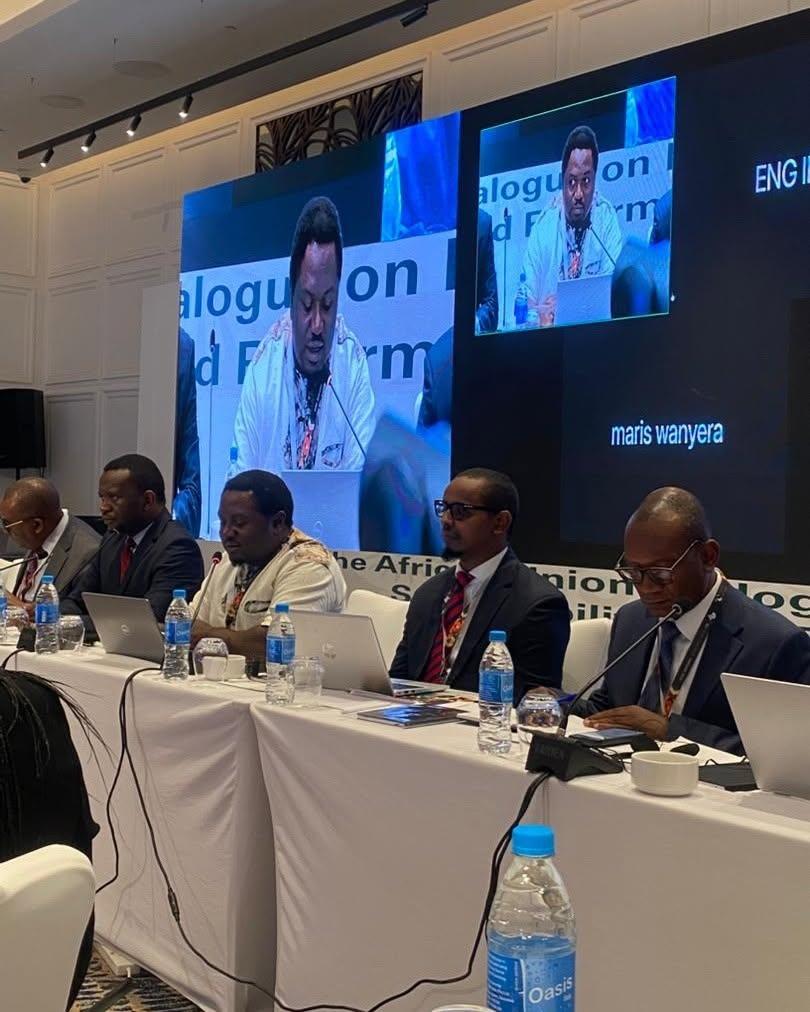
The escalating sovereign debt crisis across Africa demands a fundamental shift from temporary crisis management to deep structural overhaul. At the crucial African Union (AU) Dialogue on Debt Sustainability and Reform in Harare, the African Forum and Network on Debt and Development (AFRODAD) championed this transition. Highlighting our active leadership, AFRODAD's Interim Executive Director, Dr. Theophilus Yungong Jong, moderated a pivotal session titled “Integrating the Common African Position on Debt into National Development Planning Frameworks.” This session directly unpacked how the Common African Position (CAP) on Debt can translate from a high-level continental commitment into concrete, legally binding national planning actions. This alignment is a critical missing link as Africa strategically moves "from crisis response to sustainable financing."
True debt sustainability cannot coexist with a global financial architecture that traps African nations in cycles of punitive credit ratings and skyrocketing borrowing costs. With total external debt payments nearing $90 billion annually, vital resources are routinely diverted from healthcare, education, and climate resilience to satisfy external creditors. Guided by the principles of the African Borrowing Charter, AFRODAD asserts that solving this crisis requires reclaiming Africa's economic sovereignty. African countries must present a unified front to demand the overhaul of global credit methodologies, establish data sovereignty through the African Debt Monitoring Mechanism (ADMM), and systematically embed the CAP into national budget structures. It is time to move past reactive measures and build an accountable, transparent financial system that serves African citizens first.