Reclaiming Africa’s Future: Debt Justice, Feminist Alternatives and the Path to Economic Sovereignty
Across Africa, the question of debt is no longer merely a technical matter of public finance. It has become a defining political and developmental issue that shapes the lives of millions of people. Governments across the continent are increasingly forced to allocate large portions of national budgets to debt servicing, often at the expense of social investments in healthcare, education, and livelihoods. In many countries, this imbalance is deepening inequality and weakening public institutions that are essential for inclusive development.
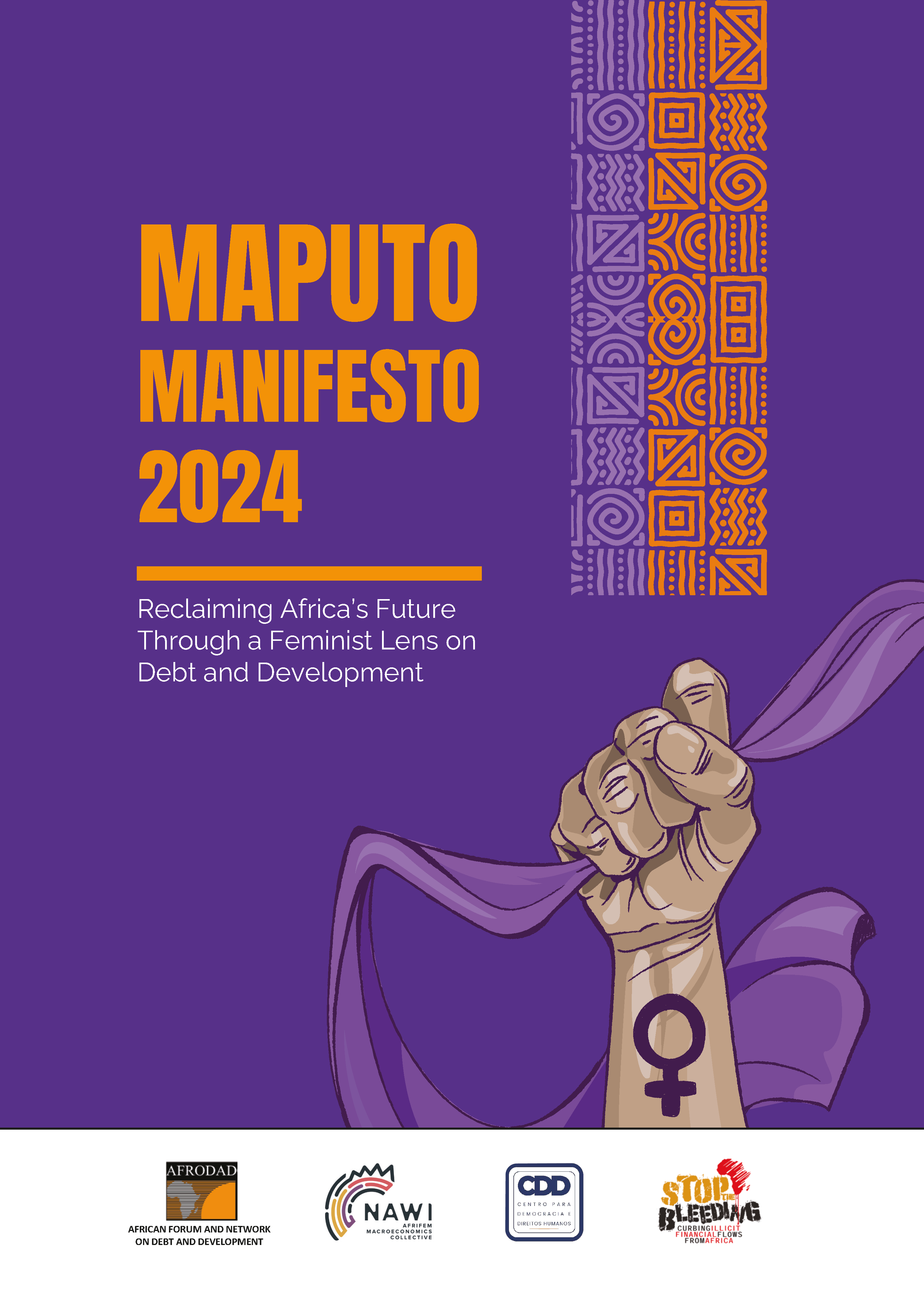
The Maputo Manifesto, emerging from the Fourth African Conference on Debt and Development (AfCoDD IV) in 2024, represents a bold response to this crisis. Rather than treating debt as a purely economic problem, the manifesto frames it as a systemic issue tied to historical injustice, global power imbalances, and structural inequalities within African economies. Its central message is clear: resolving Africa’s debt crisis requires rethinking the very foundations of economic governance and development policy.
Debt and the Development Paradox
Africa today faces a troubling paradox. Many countries borrow to finance development, build infrastructure, expand energy access, and support economic transformation. Yet rising debt servicing obligations often undermine these same development goals. When governments prioritise repayment over public services, social sectors suffer. Evidence shows that nearly half of African countries now spend more on servicing debt than on critical sectors such as health or education.
The consequences are far-reaching. Public spending cuts limit access to essential services and slow progress toward poverty reduction and human development. Moreover, austerity measures linked to debt management policies often weaken social protection systems, leaving the most vulnerable populations exposed to economic shocks.
The burden of this imbalance is not evenly distributed. Women, particularly those working in the informal economy, are disproportionately affected when governments cut public spending. Reduced investment in health care, education, and community services places additional unpaid care responsibilities on women while limiting their economic opportunities.
This reality underscores one of the most distinctive features of the Maputo Manifesto: its insistence that Africa’s debt crisis is also a gendered crisis.
A Feminist Lens on Africa’s Debt Crisis
The Maputo Manifesto introduces a Pan-African feminist perspective as a critical framework for understanding and addressing debt. This approach challenges traditional macroeconomic thinking that treats fiscal policy as gender neutral. In practice, fiscal decisions, such as cutting public services or privatising essential sectors, often have disproportionate impacts on women and marginalised communities.
By placing women’s experiences at the center of economic policymaking, the manifesto calls for development models that prioritize care, equity, and social well-being. This shift requires moving away from economic systems that prioritize profit maximization and market efficiency above human welfare. Instead, it proposes economies that recognise caregiving, community resilience, and ecological sustainability as essential pillars of development.
The manifesto is built around five core commitments that outline this alternative vision:
- Identity and Afro-Feminism: Elevating African feminist thought rooted in the continent’s histories of resistance.
- Decolonization: Dismantling colonial economic structures and reclaiming policy autonomy.
- Memory and History: Grounding economic reforms in Africa’s collective historical experience.
- Resistance and Reconstruction: Rejecting exploitative economic models while building people-centred alternatives.
- Reclaiming Values: Restoring dignity, solidarity, and ecological stewardship as guiding principles for development.
These pillars challenge the prevailing global financial architecture that often leaves African economies dependent on external creditors and vulnerable to policy prescriptions that prioritize fiscal consolidation over human development.
Beyond Debt Relief: Toward Debt Justice
One of the most important contributions of the Maputo Manifesto is its shift from the language of debt relief to that of debt justice. Debt relief often addresses symptoms without transforming the structural dynamics that generate recurring crises. Debt justice, by contrast, seeks to reform both domestic governance systems and the international financial architecture. At the national level, this means improving transparency and accountability in borrowing decisions, strengthening parliamentary oversight, and ensuring that borrowed funds support transformative development projects rather than short-term political priorities. At continental and global levels, it requires deeper reforms. These include restructuring unsustainable debts, strengthening regional financial institutions, and advocating fairer rules in global financial governance. It also means challenging financing mechanisms that deepen debt dependency, such as climate finance structured as loans rather than grants. Ultimately, the manifesto envisions an Africa that is not merely responding to global financial rules but actively shaping them.
Linking Debt Justice to Africa’s Transformation Agenda
The call for debt justice aligns closely with Africa’s broader aspirations for economic sovereignty and structural transformation. Across the continent, policymakers, civil society organizations, and regional institutions are increasingly recognizing that development cannot be built on unsustainable debt cycles.
Instead, Africa’s future depends on building resilient economies capable of generating domestic resources, investing in human capital, and supporting inclusive growth. This requires fair taxation systems, responsible borrowing practices, and strategic investments in sectors that generate decent work and strengthen local industries.
The Maputo Manifesto also highlights the importance of political participation and inclusive governance. By amplifying the voices of women, youth, and grassroots movements in economic policymaking, it aims to democratise decisions that have traditionally been confined to technocratic or elite circles.
Such participation is essential not only for social justice but also for effective policymaking. When those most affected by economic decisions are included in shaping them, policies are more likely to reflect real needs and priorities.
A Turning Point for Africa’s Debt Debate
Africa stands at a pivotal moment. The continent’s debt challenges are significant, but they also present an opportunity to rethink development models and redefine Africa’s place in the global economic order. The Maputo Manifesto signals that African civil society is ready to lead this conversation. It calls for collective action to transform the debt crisis into a catalyst for systemic change, one that advances gender equality, economic justice, and sustainable development. But this transformation cannot be achieved by civil society alone. It requires coordinated leadership from governments, regional institutions, and international partners committed to building a fairer global financial system.
Call to Action
As Africa advances its continental priorities under the African Union’s 2026 agenda and the continent’s Common Position on debt, the moment demands bold and unified action.
African governments must champion a common continental stance in global financial negotiations, one that prioritises debt sustainability, transparency, and development outcomes for African people. Civil society must continue to amplify the voices of communities most affected by austerity and economic inequality. And international partners must support reforms that move the global financial architecture toward fairness, accountability, and justice.
The vision is clear: Africa must move from being a rule-taker to a rule-maker in global finance. Achieving this requires a united African voice that insists on responsible borrowing, equitable taxation, fair climate finance, and the restructuring of unsustainable debts.
In this moment of global uncertainty, Africa has an opportunity to reshape the debate on debt, not simply to escape crisis, but to build a development model rooted in dignity, equity, and shared prosperity. The Maputo Manifesto is not just a document; it is an invitation to reclaim Africa’s economic future.
By Emmaculate Awuor, Campaigns & Communication
Read the Maputo Manifesto